24x7 Helpline number: +91-9044297070
WhatsApp: +91-9044297070
admin@nooritalk.net

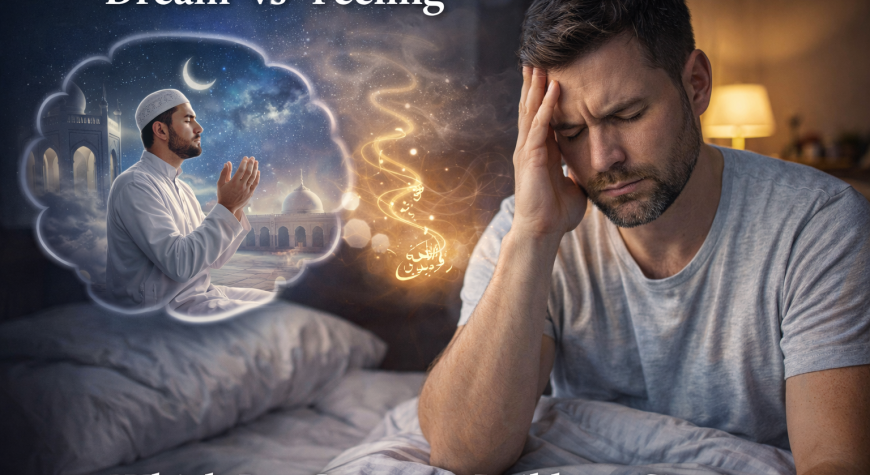
After performing istikhara, one of the most common questions people ask is: Should I trust my dream or my feeling? Many expect clear dreams as confirmation. Others feel a strong emotional shift but are unsure whether it counts as guidance. This confusion is especially common in matters of love, career, and particularly istikhara prayer for marriage.
The truth is simple: istikhara is about guidance, not symbols. Dreams can happen, but feelings, clarity, and real-life direction are often stronger indicators. This article explains the difference between dreams and feelings after istikhara, how rohani ilaj helps reduce confusion, and which sign usually carries more weight.
Istikhara means seeking what is best from Allah. It is a prayer asking for:
Istikhara is not:
Understanding this foundation helps remove confusion between dreams and feelings.
Many people believe dreams are the main outcome of istikhara. This belief is common but not entirely accurate.
Sometimes dreams reflect:
This makes dream interpretation uncertain and subjective.
Feelings after istikhara are often more consistent and reliable than dreams.
Common emotional signs include:
Unlike dreams, feelings develop gradually and influence waking life decisions.
Scholars generally emphasize that istikhara guidance appears through ease and clarity in real life, not necessarily dreams.
Reasons feelings are stronger:
A peaceful heart moving forward is often a stronger sign than a symbolic dream.
Marriage decisions carry emotional weight. After performing istikhara prayer for marriage, many people analyze dreams intensely.
However:
In marriage matters, feelings such as:
are often stronger signs than dream colors or symbols.
Sometimes confusion is not about dreams or feelings—it is about emotional overload. Rohani ilaj helps calm anxiety and reduce attachment.
Rohani ilaj supports istikhara by:
A calm heart understands feelings more clearly.
Not all dreams should be dismissed. A dream may carry weight if:
Even then, dreams should support—not replace—practical judgment.
After istikhara, look for:
These signs are stronger indicators than dream symbolism.
Istikhara is about trust, not decoding symbols.
If:
If:
Feelings that persist in waking life usually carry more weight than short-lived dream images.
No. Many people receive guidance without any dreams.
Not necessarily. Real-life ease and emotional stability matter more.
Yes, if influenced by strong attachment. Rohani ilaj helps reduce emotional bias.
Feelings and real-life direction are generally stronger indicators than dreams.
No. Marriage istikhara often works through clarity, ease, and natural progress.
The debate between dream vs feeling in istikhara often creates unnecessary stress. Dreams can occur, but they are not the foundation of guidance. Feelings—especially those that bring calmness, acceptance, and clarity—are usually stronger signs.
With emotional balance supported by rohani ilaj and sincere trust in Allah, istikhara guides quietly. It may not always appear dramatic, but it leads the heart toward what is safest and most beneficial—whether through peaceful acceptance or protective redirection.
Lorem Ipsum