24x7 Helpline number: +91-8960169997
WhatsApp: +91-8960169997
admin@nooritalk.net

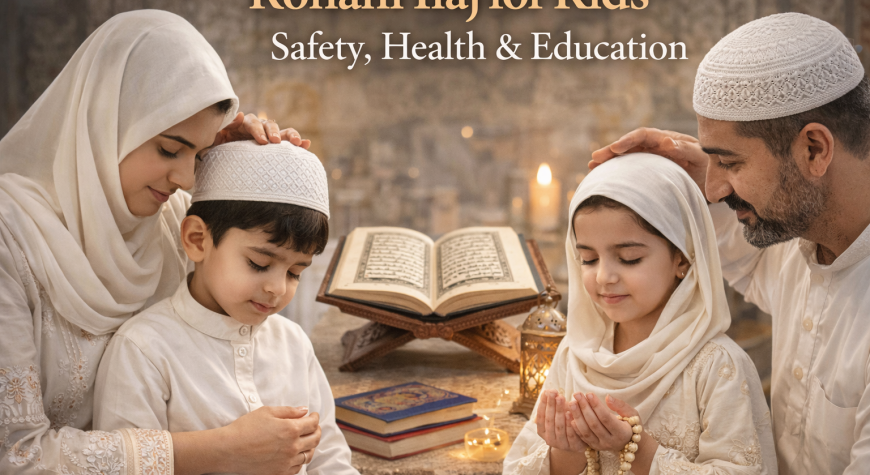
Every parent wants their child to be safe, healthy, confident, and successful in education. When children face repeated illness, fear, sleep issues, lack of focus, or sudden behavioral changes, parents often feel helpless. Along with medical care, emotional support, and proper guidance, many families turn to rohani ilaj as a gentle spiritual support system.
Rohani ilaj for kids is not a replacement for doctors or education. It is a spiritual practice that focuses on protection, emotional stability, positive environment, and inner peace. When done correctly, it supports a child’s overall well-being—without fear, pressure, or harmful practices.
This article explains rohani ilaj for kids in the context of safety, health, and education, while also clarifying the role of istikhara and spiritual balance within the family.
Rohani ilaj is spiritual care through duas, Qur’anic recitation, and positive intention. For children, it is always soft, protective, and preventive, never intense or forceful.
It focuses on:
Children are emotionally sensitive, so rohani ilaj for them must always be gentle and consistent.
Parents often seek rohani ilaj when they notice issues that do not have a clear emotional explanation.
Common concerns include:
Rohani ilaj helps calm the child’s inner state, which indirectly supports health and learning.
Children are sensitive to environments, emotions, and energy around them. Spiritual protection is often the first reason parents seek rohani ilaj.
Rohani ilaj supports safety by:
Simple daily duas and Qur’anic recitation in the home help create a protective atmosphere.
It is very important to be clear: rohani ilaj does not replace medical treatment.
However, it can support health by:
When children feel emotionally safe, healing becomes easier alongside proper medical care.
Many children struggle not because of intelligence, but because of fear, pressure, or lack of confidence.
Rohani ilaj helps education by:
A peaceful mind learns better than a pressured one.
These practices should always be done by parents, not forced on children.
Helpful practices include:
Consistency matters more than quantity.
Children absorb emotional energy from parents. Stress, anger, or fear in parents directly affects children.
Rohani ilaj begins with parents by:
A peaceful parent creates a peaceful child.
Istikhara is not commonly done directly for children, but parents may perform istikhara when:
Istikhara helps parents make calm, balanced decisions—not emotional ones.
Family stability strongly affects children. Marital stress, constant arguments, or separation deeply impacts a child’s emotional health.
When parents perform istikhara prayer for marriage during serious marital decisions, it indirectly helps children by:
Healthy marriages create emotionally secure children.
Parents should be very careful and avoid:
Rohani ilaj should comfort, not scare.
Gradual positive signs may include:
Changes are usually slow and gentle.
Yes, when done gently through dua, Qur’an, and positive environment. It should never involve fear or pressure.
No. Medical care is essential. Rohani ilaj only supports emotional and spiritual well-being.
No. Istikhara is for decision-making and is usually done by adults.
Parents can do istikhara for decisions they are responsible for, like education or relocation.
Yes. Emotional tension in the home directly affects a child’s mental and emotional health.
Children need love, safety, stability, and emotional security more than anything else. Rohani ilaj, when practiced correctly, supports these needs by creating a calm, protected, and positive environment. It works best when parents combine spiritual care with medical support, education, and emotional awareness.Through gentle rohani ilaj, responsible istikhara, and wise family decisions—including thoughtful istikhara prayer for marriage when needed—parents can protect not only their children’s present, but also their emotional future.
Lorem Ipsum