24x7 Helpline number: +91-8960169997
WhatsApp: +91-8960169997
admin@nooritalk.net

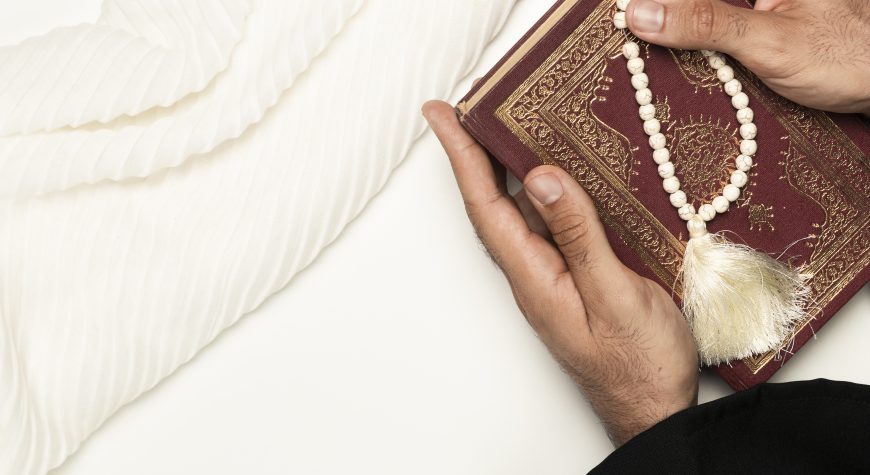

In life, health is one of our greatest blessings. But when illness strikes—whether it’s physical pain, emotional distress, or mental stress—it can feel overwhelming. While medical treatment is essential, many people also seek spiritual healing as a way to find comfort, peace, and recovery.
In Islam, this form of healing is often called Rohani Ilaj, which means “spiritual treatment.” It involves dua (supplication), wazifa (specific prayers), and istikhara to seek Allah’s guidance and blessings for health.
Spiritual healing doesn’t replace medical care—it supports it. When we turn to Allah for help, we feel lighter, more hopeful, and emotionally stronger. Faith can give us patience during sickness and the strength to recover.
Here’s a practical and simple guide to seeking Rohani Ilaj for health problems:
Illness is a reminder to turn back to Allah with sincerity. Regular prayers, reading the Qur’an, and making dua can uplift the soul.
If you’re unsure about a treatment, doctor, or decision, performing istikhara can help.
How to Perform Istikhara:
There are many authentic wazifas for health mentioned in Islamic traditions. One popular rohani ilaj wazifa for healing is:
Recite “Ya Shafi, Ya Kafi” (O Healer, O Sufficient) 111 times after every prayer and blow over water. Drink this water daily.
Benefits:
The Qur’an is a source of healing for the soul and body. You can recite:
Duas for health are a key part of Islamic healing. One powerful dua is:
“Allahumma rabban-naas, adhhibi al-ba’sa, ishfi anta ash-shaafee, laa shifaa’a illa shifaa’uka, shifaa’an laa yughaadiru saqaman.”
(Meaning: O Allah, Lord of mankind, remove the harm and cure me. You are the Healer, and there is no cure except Your cure, a cure that leaves no illness.)
Q1: Can I do rohani ilaj at home?
Yes. You can recite Qur’an, duas, and wazifas at home without needing a healer, as long as you follow authentic Islamic sources.
Q2: How often should I perform istikhara for health decisions?
You can perform it anytime you need clarity—once or for several nights—until you feel guided.
Q3: Is it okay to visit a doctor while doing rohani ilaj?
Absolutely. Islam encourages seeking medical treatment along with duas and spiritual remedies.
Q4: Can rohani ilaj cure all diseases?
The cure is in Allah’s hands. Sometimes healing comes fully, sometimes it brings patience and strength to live with the illness.
Q5: Which wazifa is best for quick healing?
Reciting “Ya Shafi, Ya Kafi” or Surah Al-Fatiha daily with full faith is among the best for health recovery.
Health problems can test our patience, but rohani ilaj wazifa, istikhara, and sincere duas can help us find peace, strength, and healing. Trust in Allah’s plan, combine spiritual and medical care, and never lose hope—because every hardship is followed by ease.
Lorem Ipsum